In countless Indian households, the refrigerator door has quietly transformed into a vibrant, ever-evolving canvas of personal history. Colourful, quirky, and often inexpensive, fridge magnets have emerged as the favourite travel souvenirs for Indian travellers. These small tokens serve as tangible reminders of journeys undertaken, milestones celebrated, and gifts exchanged with loved ones. What began as a simple memento has become a powerful way to archive life’s adventures, turning an everyday kitchen appliance into a personal museum of nostalgia and wanderlust.
Fridge magnets hold a special appeal in Indian homes because they perfectly balance practicality, affordability, and emotional value. Unlike bulky souvenirs that demand shelf space or fragile items that risk breakage during travel, magnets are lightweight, compact, and easy to pack. They cost little — often between ₹100 and ₹500 — making them guilt-free purchases even on budget trips. More importantly, they invite daily interaction. Every time family members open the refrigerator for milk, water, or leftovers, they encounter these miniature gateways to memories.
Why Fridge Magnets Have Captured Indian Travellers’ Hearts
The rise of fridge magnet collections in India mirrors the country’s booming outbound and domestic tourism. As more Indians travel — both within the country and abroad — the desire to bring back a piece of the experience has grown. Popular destinations yield magnets featuring iconic imagery: the Taj Mahal bathed in moonlight, Kerala’s backwaters, Rajasthan’s camels, or international landmarks like the Eiffel Tower, Bangkok’s temples, or Dubai’s Burj Khalifa.
Many collectors start their journey casually. A magnet from the first family trip to Himachal Pradesh or a honeymoon in Bali becomes the seed. Over time, the collection expands. One magnet leads to another, and soon the refrigerator tells a chronological story — a wedding trip to Europe, a solo backpacking adventure in Southeast Asia, a corporate offsite in Goa, or a spiritual visit to Varanasi. Each piece carries layers of meaning: the excitement of planning, the joy of the moment, and the warmth of returning home.
Gifting adds another emotional dimension. Indian travellers frequently bring magnets for family and friends. A daughter working in Bengaluru might gift her parents a magnet from her Europe trip. A son studying abroad sends one from New York. These small gestures bridge distances in a culture that values family connections deeply. The magnet becomes more than a souvenir — it is proof of thoughtfulness and shared belonging.
A Personal Travel Archive on the Fridge Door
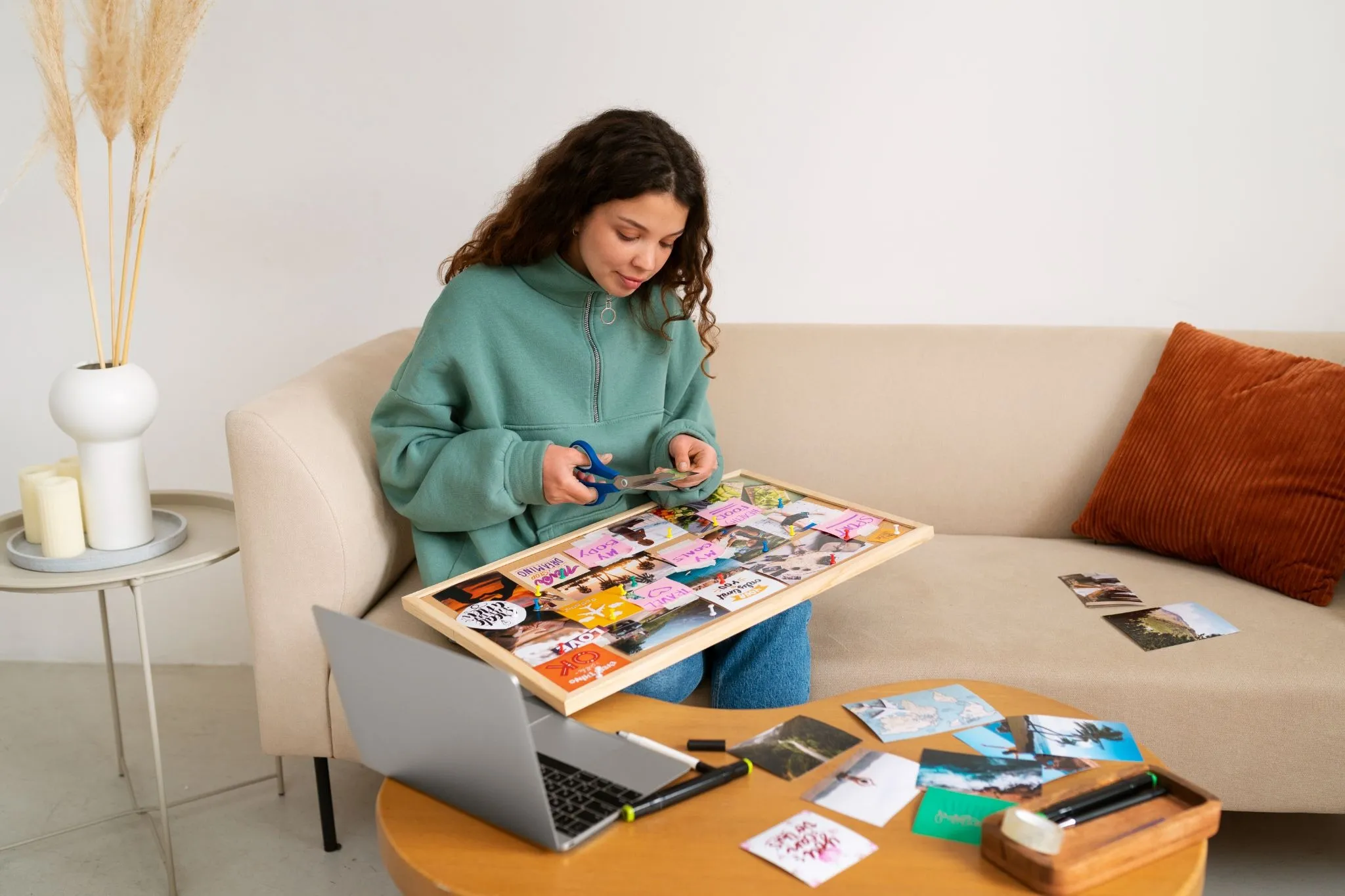
In many homes, the refrigerator door functions as a dynamic scrapbook. Parents proudly display magnets from children’s travels. Young professionals curate minimalist collections reflecting their evolving tastes. Some arrange magnets geographically, creating a world map on steel. Others group them thematically — beaches, mountains, heritage sites, or food-themed designs.
This habit offers psychological benefits. Research on souvenirs shows that repeated daily exposure to such objects strengthens memory recall. A quick glance at a magnet from a Thailand trip can instantly bring back the taste of street food, the sound of waves, or laughter with travel companions. For older family members, these visuals trigger stories passed down to grandchildren, preserving oral histories of exploration.
Unlike digital photos buried in phone galleries, physical magnets provide a constant, tangible presence. They withstand time better than paper tickets or fading prints. Many collectors report feeling a sense of accomplishment as the collection grows, marking personal growth and life chapters — from student budget trips to family vacations after career stability.
Cultural and Decorative Significance in Indian Homes
Indian kitchens are the heart of the home, where families gather multiple times a day. Decorating this central space with travel memories aligns perfectly with cultural values. Fridge magnets complement traditional Indian aesthetics while adding a modern, cosmopolitan touch. Handcrafted options featuring miniature Indian landmarks, Pichwai art, or regional motifs blend seamlessly with contemporary stainless steel refrigerators.
The trend also reflects broader shifts in Indian consumer behaviour. Rising disposable incomes, easier international travel, and social media influence have normalised collecting as a form of self-expression. On platforms, travellers proudly showcase their “fridge walls,” inspiring others to start collections. What was once considered a Western or touristy habit has become distinctly Indian — personalised with local flavours and family narratives.
Design variety enhances the appeal. Travellers can find 3D resin magnets, wooden ones, ceramic pieces, or customised versions with dates and names. Limited-edition or destination-specific magnets create a sense of exclusivity, encouraging repeat purchases. In India, magnets depicting chai cups, autorickshaws, or classical dance forms add a layer of cultural pride when collected from domestic trips.
Beyond Nostalgia: Practical and Emotional Value
Fridge magnets serve practical purposes too. They hold shopping lists, children’s drawings, important reminders, or doctor’s prescriptions. This utility ensures they remain relevant rather than being stored away in boxes like other souvenirs.
Emotionally, they provide comfort and joy. During stressful times, a magnet from a cherished family trip can offer instant escapism. For those who have lost loved ones, certain magnets become poignant reminders of holidays spent together. They help process both happy and bittersweet memories, turning the kitchen into a space of reflection and gratitude.
The low-risk nature also encourages collecting. If a magnet breaks or gets lost, it is easy and affordable to replace during the next trip — unlike expensive artefacts. This accessibility makes the hobby inclusive across age groups and income levels.
Preserving Stories for Future Generations
As collections mature, they become family heirlooms. Children grow up hearing stories behind each magnet, fostering curiosity about the world. A magnet from Ladakh might spark conversations about Himalayan culture, while one from Paris introduces dreams of future travel.
In an increasingly digital world, these physical objects ground experiences in reality. They counter the ephemeral nature of social media posts, offering something permanent to touch and pass on.
The Enduring Charm of a Simple Souvenir
Fridge magnets may seem trivial — tiny pieces of plastic, metal, or resin. Yet, in Indian homes, they weave rich tapestries of human connection, adventure, and belonging. They capture the essence of travel: not just visiting places, but carrying their spirit home.
As India’s travel culture matures, these unassuming magnets will continue gaining prominence. They remind us that the best souvenirs are not the most expensive but those that integrate seamlessly into daily life while elevating it with stories. Next time you open your refrigerator, take a moment to look at the colourful mosaic on its door. Each magnet is whispering a tale — of roads taken, bonds strengthened, and the irresistible pull to explore again.
In a fast-paced world, fridge magnets offer a gentle pause: a celebration of where we have been and a quiet promise of journeys yet to come. They prove that sometimes, the smallest things hold the biggest memories.
socialmedixy socialmedixy socialmedixy socialmedixy socialmedixy socialmedixy socialmedixy socialmedixy socialmedixy socialmedixy socialmedixy socialmedixy socialmedixy socialmedixy socialmedixy socialmedixy socialmedixy socialmedixy socialmedixy socialmedixy socialmedixy socialmedixy socialmedixy socialmedixy socialmedixy socialmedixy socialmedixy socialmedixy socialmedixy socialmedixy socialmedixy socialmedixy socialmedixy socialmedixy socialmedixy socialmedixy socialmedixy socialmedixy socialmedixy socialmedixy socialmedixy socialmedixy socialmedixy socialmedixy socialmedixy socialmedixy socialmedixy socialmedixy socialmedixy socialmedixy socialmedixy socialmedixy socialmedixy socialmedixy socialmedixy socialmedixy socialmedixy socialmedixy socialmedixy socialmedixy socialmedixy socialmedixy socialmedixy socialmedixy socialmedixy socialmedixy socialmedixy socialmedixy socialmedixy socialmedixy socialmedixy socialmedixy socialmedixy socialmedixy socialmedixy socialmedixy socialmedixy socialmedixy socialmedixy socialmedixy socialmedixy socialmedixy socialmedixy socialmedixy socialmedixy socialmedixy socialmedixy socialmedixy socialmedixy socialmedixy socialmedixy socialmedixy socialmedixy socialmedixy socialmedixy socialmedixy socialmedixy socialmedixy socialmedixy socialmedixy socialmedixy socialmedixy socialmedixy socialmedixy socialmedixy socialmedixy socialmedixy socialmedixy socialmedixy socialmedixy socialmedixy socialmedixy socialmedixy socialmedixy socialmedixy socialmedixy socialmedixy socialmedixy socialmedixy socialmedixy socialmedixy socialmedixy socialmedixy socialmedixy socialmedixy socialmedixy socialmedixy socialmedixy socialmedixy socialmedixy socialmedixy socialmedixy socialmedixy socialmedixy socialmedixy socialmedixy socialmedixy socialmedixy socialmedixy socialmedixy socialmedixy socialmedixy socialmedixy socialmedixy socialmedixy socialmedixy socialmedixy socialmedixy socialmedixy socialmedixy socialmedixy socialmedixy socialmedixy socialmedixy socialmedixy socialmedixy socialmedixy socialmedixy socialmedixy socialmedixy socialmedixy socialmedixy socialmedixy socialmedixy socialmedixy socialmedixy socialmedixy
