In a development that reflects both the promise and the problems of artificial intelligence in digital media, an India-based YouTube channel named “Bandar Apna Dost” has reportedly generated massive viewership and revenue within just a few months. The channel’s rise illustrates how low-effort, AI-generated content—often referred to as “AI slop”—can still turn into a highly profitable venture despite platform rules aimed at promoting originality and quality.
What Is Bandar Apna Dost?
Bandar Apna Dost is a YouTube channel that publishes short animated videos created almost entirely using artificial intelligence tools. The videos typically feature a cartoon monkey character interacting with a muscular, superhero-style figure in exaggerated action scenes. These clips rely on bright colours, repetitive storytelling, and simple visual hooks designed to capture attention quickly rather than deliver meaningful narratives.
Although the channel was created several years ago, it remained largely inactive for a long time. Its sudden resurgence came when the creator began uploading AI-generated videos in large volumes. Within months, the channel accumulated billions of views, turning it into one of the most watched AI-driven content streams on the platform.
Staggering View Counts and Revenue Estimates
What makes the case of Bandar Apna Dost particularly striking is the scale of its reach. Industry analysis suggests that the channel has crossed more than two billion cumulative views across its videos. Based on standard advertising and monetisation estimates used in the digital media industry, this level of engagement could translate into annual earnings of approximately 4.25 million dollars, or around Rs 35 to 38 crore.
This estimate has generated widespread debate because YouTube’s stated monetisation policies discourage low-quality or repetitive AI-generated content. In theory, such videos should not qualify for full monetisation. Yet the scale of revenue linked to this channel indicates that AI-driven creators are still finding ways to benefit financially—either through ad placements, indirect monetisation, or alternative revenue mechanisms.
autotestinghub.com | theautosfreak.com | autoglidez.com
thesporttrophy.com | purecbdnet.com
The Broader Rise of AI Slop Content
Bandar Apna Dost is not an isolated case. Recent studies of YouTube’s recommendation system reveal that AI-generated content has become increasingly common across the platform. Among thousands of popular channels analysed, hundreds were found to rely heavily on AI-produced videos with minimal human involvement. Together, these channels account for tens of billions of views and hundreds of millions of subscribers.
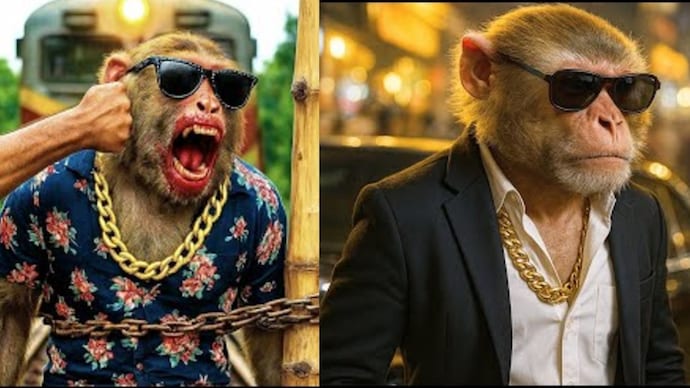
The term “AI slop” is used to describe content that is generated rapidly using artificial intelligence with little emphasis on creativity, storytelling, or originality. Such videos are often repetitive and formula-driven, optimised to perform well under algorithmic recommendation systems rather than to offer long-term value to viewers.
Why the Algorithm Rewards Low-Effort Content
Several factors explain why channels like Bandar Apna Dost are thriving:
-
Low Barriers to Entry
AI tools allow creators to generate animations, scripts, and visuals without specialised skills. This enables rapid production at minimal cost. -
High-Volume Upload Strategy
By uploading large numbers of short videos, creators increase their chances of being picked up by recommendation algorithms that prioritise watch time and engagement. -
Universal Visual Appeal
AI slop videos often avoid language-heavy storytelling, relying instead on visuals that appeal across cultures and regions, allowing them to attract global audiences. -
Algorithmic Priorities
YouTube’s system tends to amplify content that keeps users watching, even if the material itself lacks depth. Short, visually stimulating clips are particularly effective at doing this.
Tension with Platform Policies
YouTube has repeatedly stated that content must be original, valuable, and authentic to qualify for monetisation. The success of Bandar Apna Dost challenges how effectively these policies are enforced in practice. While the platform emphasises that generative AI is merely a tool, critics argue that the flood of AI slop undermines genuine creativity and disadvantages human creators who invest time, skill, and resources into their work.
Many independent creators have voiced concern that AI-generated channels are saturating feeds, making it harder for high-quality content to gain visibility. There are also worries that advertisers may become cautious about placing ads next to automated content that lacks accountability or clear creative intent.
Ethical and Creative Concerns
Beyond monetisation, the rise of AI slop raises deeper questions about the future of digital creativity. If algorithms continue to reward volume and engagement over originality, platforms risk encouraging an ecosystem dominated by automated, repetitive content. This could reduce diversity in storytelling and weaken trust between viewers, creators, and advertisers.
At the same time, supporters argue that AI is simply another tool—similar to earlier innovations in video editing or animation—and that responsibility lies with platforms to refine recommendation systems rather than restrict technological progress.
What This Means for the Future
The story of Bandar Apna Dost highlights a turning point in online content creation. Artificial intelligence has made it possible to scale production at unprecedented speeds, blurring the line between creativity and automation. While this opens new opportunities for experimentation and income generation, it also exposes gaps in platform governance and content moderation.
As AI tools continue to evolve, platforms like YouTube may need to rethink how they define quality, originality, and value. Without stronger safeguards, the success of AI slop channels could reshape the digital landscape in ways that prioritise efficiency over creativity. For now, Bandar Apna Dost stands as a powerful example of how quickly AI-generated content can rise—and how much money it can make—within today’s algorithm-driven media economy.
