Yash’s ‘Toxic’ Draws Backlash Over Religious Imagery Ahead of March Release
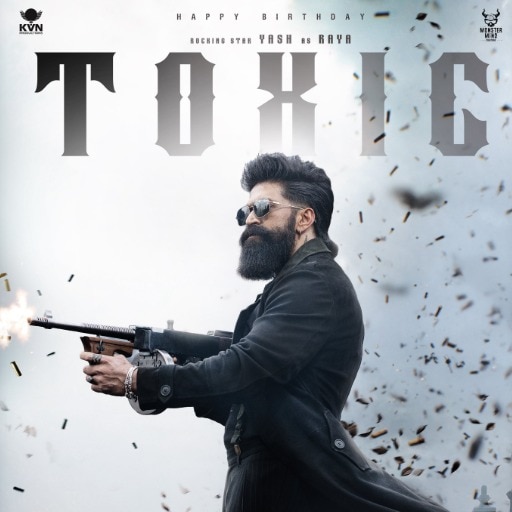
Kannada star Yash’s much-anticipated film Toxic has found itself at the centre of controversy weeks before its scheduled March 19 release. A Christian group has reportedly objected to certain religious imagery featured in the film’s teaser, seeking cuts and raising concerns about alleged misrepresentation of Christian symbols. The development has sparked debate around creative freedom, religious sensitivities, and the increasing scrutiny faced by major film releases in India.
The controversy comes at a critical time for Toxic, which is positioned as one of the biggest pan-Indian releases of the season and is set for a box office clash with Dhurandhar 2. With expectations running high after Yash’s blockbuster success with the KGF franchise, the film has already been under significant public and industry attention.
The Teaser and the Objections
The teaser of Toxic generated considerable buzz for its stylized visuals, dark tone, and intense portrayal of Yash’s character. However, certain frames allegedly depicting Christian religious imagery have drawn criticism from a section of the community. Representatives of a Christian group have reportedly argued that the imagery may hurt religious sentiments and have demanded that the filmmakers either clarify the context or remove specific visuals before the film’s release.
While details of the specific scenes under objection have not been officially detailed in public statements by the production house, the controversy has gained traction through media reports and public commentary. The group’s concerns reflect a broader pattern seen in recent years, where films across languages have faced objections over depictions of religious symbols, rituals, or iconography.
The Filmmakers’ Position
As of now, there has been no comprehensive public statement from Yash or the film’s producers addressing the specific allegations. Industry observers note that production houses typically wait for formal communication from the Central Board of Film Certification (CBFC) before responding to such demands.
In India, films must receive certification from the CBFC prior to theatrical release. The board has the authority to recommend cuts, modifications, or disclaimers if content is deemed sensitive or potentially inflammatory. If objections are formally raised, they are generally reviewed within the certification framework.
Filmmakers often argue that creative works should be interpreted within narrative context and not through isolated frames. In past controversies involving religious imagery, directors have maintained that artistic expression does not equate to deliberate offense. However, they have also frequently chosen to make voluntary edits to avoid prolonged disputes and disruptions to release plans.
The Broader Debate on Religious Sensitivity
India’s film industry has repeatedly witnessed controversies involving religious representation. From Bollywood to regional cinema, objections from various religious groups have occasionally led to protests, legal notices, and calls for boycotts.
The tension often lies between two competing principles:
-
Creative freedom and artistic expression
-
Respect for religious beliefs and community sentiments
The Indian Constitution guarantees freedom of expression, but it is subject to reasonable restrictions in the interest of public order, morality, and decency. Courts have, over time, emphasized that creative works should not be curtailed merely because they offend a section of society. At the same time, authorities are cautious about content that could provoke unrest.
The Toxic controversy reflects this ongoing balancing act. Religious imagery, when used symbolically in cinema, can carry powerful thematic meaning. However, without adequate context, it can also be interpreted as insensitive or provocative.
The Timing and Commercial Stakes
The objections have surfaced just weeks before the film’s March 19 release, adding pressure on the producers. The timing is significant because promotional campaigns are typically at their peak during this period, and last-minute changes can impact marketing strategies.
The film’s clash with Dhurandhar 2 further heightens the stakes. Box office clashes between big-budget films often generate intense competition, and controversies can influence public perception—either negatively by discouraging audiences or positively by amplifying visibility.
In recent years, controversies have sometimes translated into heightened curiosity, boosting initial box office numbers. However, sustained negative sentiment can also affect long-term performance, particularly if protests disrupt screenings or create security concerns.
Yash’s Pan-Indian Appeal
Yash has emerged as one of India’s leading pan-Indian stars following the massive success of KGF: Chapter 1 and KGF: Chapter 2. Those films broke language barriers and achieved record-breaking box office collections across multiple states.
With Toxic, Yash is expected to further consolidate his national appeal. The project has been described as ambitious in scale and tone, with a stylized narrative approach distinct from his earlier work. Given the heightened expectations surrounding his next move, any controversy inevitably draws amplified attention.
Public figures of Yash’s stature often face intense scrutiny, and their projects are closely monitored by various stakeholders, including community groups, political organizations, and advocacy bodies.
Legal and Regulatory Framework
If the concerned Christian group formally submits a complaint, the CBFC may review the specific scenes in question. The board’s decision could involve:
-
Granting certification without changes
-
Suggesting edits or disclaimers
-
Requesting clarification on context
In similar past instances across Indian cinema, certification bodies and courts have generally taken a case-by-case approach, examining whether the imagery is integral to the narrative or gratuitous.
Courts have also consistently maintained that anticipated offense alone is insufficient grounds for banning a film, emphasizing that viewers have the choice not to watch content they find objectionable.
Industry Reaction and Public Discourse
The controversy has sparked discussions on social media, with opinions divided. Some argue that filmmakers should exercise caution when incorporating religious symbols into commercial entertainment. Others defend the right of artists to explore diverse themes without fear of censorship or intimidation.
Film industry professionals often warn that frequent objections can create a chilling effect on creativity. They contend that if every symbolic representation is subjected to pressure, storytelling may become overly cautious and sanitized.
Conversely, community leaders stress that filmmakers bear responsibility for ensuring that depictions do not perpetuate stereotypes or disrespect sacred symbols.
Looking Ahead
With the release date approaching, the situation is likely to evolve in the coming weeks. The producers may engage in dialogue with community representatives or await formal certification guidance. Historically, many such controversies are resolved through minor edits or clarifications rather than prolonged legal battles.
The outcome will not only impact Toxic but may also influence how future films approach religious imagery in promotional materials. Teasers and trailers, often designed for maximum visual impact, can sometimes isolate powerful imagery from narrative context, increasing the risk of misinterpretation.
Conclusion
The backlash against Toxic over alleged religious imagery underscores the delicate intersection of cinema, faith, and public sentiment in India. As one of the year’s most anticipated releases, the film now faces the dual challenge of navigating community concerns while maintaining its creative vision.
Whether the controversy leads to edits or fades following clarification remains to be seen. What is clear is that in India’s vibrant and diverse cultural landscape, filmmakers must tread carefully when engaging with religious symbolism. At the same time, democratic societies must safeguard artistic expression while fostering dialogue and mutual respect.
As March 19 approaches, industry observers will be watching closely—not only for the film’s box office performance but also for how this episode shapes the broader conversation around cinema and religious sensitivity in contemporary India.
afrikato afrikato afrikato afrikato afrikato afrikato afrikato afrikato afrikato afrikato afrikato afrikato afrikato afrikato afrikato afrikato afrikato afrikato afrikato afrikato afrikato afrikato afrikato afrikato afrikato afrikato afrikato afrikato afrikato afrikato afrikato afrikato afrikato afrikato afrikato afrikato afrikato afrikato afrikato afrikato afrikato afrikato afrikato afrikato afrikato afrikato afrikato afrikato afrikato afrikato afrikato afrikato afrikato afrikato afrikato afrikato afrikato afrikato afrikato afrikato afrikato afrikato afrikato afrikato afrikato afrikato afrikato afrikato afrikato afrikato afrikato afrikato afrikato afrikato afrikato afrikato afrikato afrikato afrikato afrikato afrikato afrikato afrikato afrikato afrikato afrikato afrikato afrikato afrikato afrikato afrikato afrikato afrikato afrikato afrikato afrikato afrikato afrikato afrikato afrikato afrikato afrikato afrikato afrikato afrikato afrikato afrikato afrikato afrikato afrikato afrikato afrikato afrikato afrikato afrikato afrikato afrikato afrikato afrikato afrikato afrikato afrikato afrikato afrikato afrikato afrikato afrikato afrikato afrikato afrikato afrikato afrikato afrikato afrikato afrikato afrikato afrikato afrikato afrikato afrikato afrikato afrikato afrikato afrikato afrikato afrikato afrikato afrikato afrikato afrikato afrikato afrikato afrikato afrikato afrikato afrikato afrikato afrikato afrikato afrikato afrikato afrikato afrikato afrikato afrikato afrikato afrikato
