
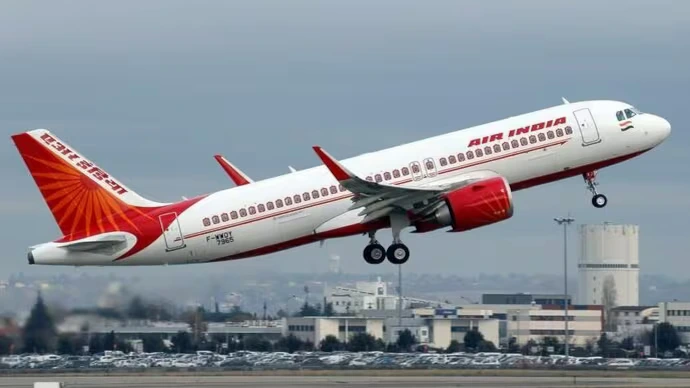
Air travel in India is set to become more expensive as rising global fuel prices force airlines to adjust their pricing structures. Air India has announced a phased fuel surcharge on domestic and international flights after aviation turbine fuel (ATF) prices surged due to geopolitical tensions in the Gulf region. The move reflects how global conflicts can quickly affect everyday travel costs for passengers around the world.
The airline’s decision comes at a time when the aviation industry is already dealing with volatile fuel prices, currency fluctuations, and airspace restrictions. With jet fuel accounting for a significant portion of airline operating expenses, even small increases in fuel prices can have a major impact on ticket fares.
Table of Contents
ToggleFuel Prices Surge Amid West Asia Conflict
The ongoing conflict involving Iran has disrupted energy supply chains across the Gulf region, one of the most important hubs for global oil shipments. Supply disruptions since early March 2026 have pushed crude oil prices higher, leading to a corresponding rise in aviation turbine fuel prices worldwide.
A major reason behind this surge is the instability in the Strait of Hormuz, a critical maritime route through which roughly 20 percent of the world’s oil supply normally passes. Disruptions to shipping in this region have reduced energy flows and triggered a spike in global oil prices. Brent crude prices surged above $100 per barrel during the crisis, intensifying cost pressures on industries dependent on fuel, including aviation.
For airlines, such increases are particularly challenging because fuel costs already account for a large share of operational expenses. Aviation turbine fuel alone represents nearly 40 percent of an airline’s total operating costs.
Air India Introduces Fuel Surcharge
To manage the sudden rise in fuel costs, Air India has introduced a phased fuel surcharge structure across its network. The surcharge will apply to both domestic and international flights and will be implemented in stages beginning March 12, 2026.
In the initial phase, domestic flights and routes within the South Asian region will see a fuel surcharge of ₹399 per ticket. International routes will face higher charges depending on distance and region. For example, flights to West Asia will include a surcharge of around $10, while long-haul destinations such as North America or Australia could see increases of up to $200.
The airline has said the surcharge is necessary to maintain operational viability. Without adjusting fares, airlines risk operating flights at a loss, particularly on long-haul routes where fuel consumption is significantly higher.
Impact on Domestic and International Travelers
For passengers, the surcharge means that air travel costs could rise across multiple routes in the coming weeks. Domestic travelers may see modest increases in ticket prices, while international passengers could face more noticeable fare hikes.
The price rise is expected to affect both leisure and business travelers. Tourists planning trips during the upcoming holiday season may find flight tickets slightly more expensive, especially on international routes. Corporate travel budgets may also feel the impact, particularly for long-distance journeys to Europe, North America, or Australia.
However, airline officials say the surcharge is being implemented gradually to minimize disruption for passengers and allow travelers to adjust their plans.
Additional Challenges Facing Airlines
The surge in jet fuel prices is not the only issue confronting airlines operating in India. The aviation industry is currently facing a combination of economic and geopolitical pressures.
One major challenge is India’s heavy dependence on imported crude oil from the Gulf region. Any disruption in this region tends to affect domestic fuel prices quickly, putting pressure on industries such as transportation and aviation. Higher global oil prices can also weaken airline profitability and increase inflation in travel-related sectors.
Airlines are also dealing with high taxes on aviation turbine fuel within India. Excise duties and value-added tax imposed by various states significantly raise the effective cost of ATF for airlines operating in the country. These taxes can magnify the financial impact of global fuel price spikes.
Additionally, international airlines are navigating airspace restrictions and longer flight routes caused by geopolitical tensions in the region. Longer routes increase fuel consumption, further raising operational costs.
Wider Impact on the Aviation Industry
The situation affecting Air India reflects a broader global trend. Airlines around the world often respond to rising fuel prices by introducing fuel surcharges or increasing ticket fares. Such adjustments help airlines maintain financial stability during periods of extreme market volatility.
The aviation sector has historically been highly sensitive to oil price movements. During periods of geopolitical conflict, airline stocks often experience volatility, and travel demand can shift depending on ticket affordability and economic conditions.
If the current conflict in the Gulf region continues, airlines may be forced to review their pricing strategies again. Prolonged disruptions in energy supply could push oil prices even higher, potentially leading to additional fare increases across the global aviation industry.
What Passengers Can Expect
For now, travelers should expect a gradual increase in ticket prices, especially on routes where fuel consumption is higher. Airlines may continue to adjust surcharges depending on fuel market conditions and geopolitical developments.
Passengers planning international travel in the coming months may benefit from booking early to avoid potential price increases. Monitoring fare trends and choosing flexible travel dates could also help reduce travel costs during this period of uncertainty.
While the aviation industry remains resilient, the current situation highlights how global events can quickly influence travel economics. The rise in Air India’s fares serves as a reminder that the price of air travel is closely tied to the stability of global energy markets and geopolitical conditions.