
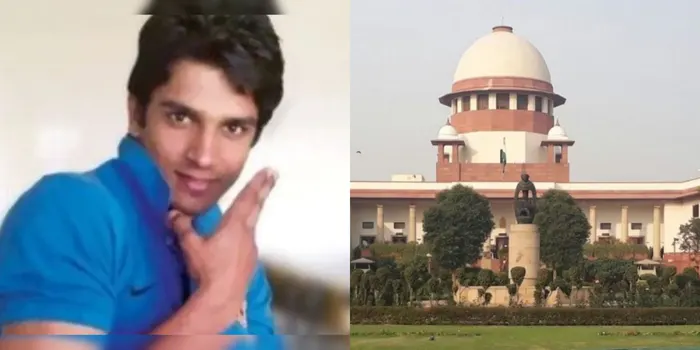
In a historic and emotionally significant decision, the Supreme Court of India has allowed a Ghaziabad man who has been in a permanent vegetative state for over a decade to withdraw life-sustaining medical treatment. The ruling has reignited discussions around the “right to die with dignity,” medical ethics, and end-of-life decisions in India.
The case centered around Harish Rana, a man who had been living in a vegetative state since 2013 after suffering severe brain injuries in a tragic accident. After years of medical treatment and continuous care from his family, the Supreme Court permitted passive euthanasia, allowing doctors to withdraw life support in accordance with established legal safeguards. This decision is being viewed as a landmark moment in India’s evolving legal and ethical approach toward terminal illness and irreversible medical conditions.
Table of Contents
ToggleThe Tragic Incident That Changed Everything
Harish Rana’s life took a devastating turn in 2013 when he suffered severe head injuries after falling from the fourth floor while he was a student. The accident left him with critical brain damage and eventually placed him in a permanent vegetative state.
For more than 12 years, Rana remained bedridden and dependent on medical devices for breathing and nutrition. Medical examinations confirmed that he had no meaningful neurological recovery and that the chances of improvement were extremely remote.
He required continuous medical assistance, including feeding tubes and respiratory support, making daily care extremely challenging for his family.
A Family’s Long and Painful Struggle
Behind the legal arguments and court proceedings lies the deeply emotional story of Rana’s parents. For more than a decade, they cared for their son tirelessly, managing both emotional and financial burdens.
The Supreme Court itself acknowledged the extraordinary dedication shown by Rana’s family, particularly his elderly parents. The judges observed that the family stood by him through years of suffering and uncertainty, highlighting the profound love and commitment that shaped the case.
Despite their relentless efforts, the family eventually reached a painful conclusion. Seeing no hope for recovery and watching their son remain in an unresponsive state for years, they approached the courts seeking permission to withdraw life-sustaining treatment.
Their plea was not for active euthanasia but for passive euthanasia, which involves stopping artificial life-support measures.
Legal Journey Through the Courts
The case followed a complex legal path before reaching the Supreme Court. Rana’s parents initially approached the Delhi High Court seeking permission to withdraw medical support, but the plea was dismissed.
They then turned to the Supreme Court, which carefully examined the case by consulting medical experts and reviewing existing legal guidelines on euthanasia. Multiple medical boards were constituted to assess Rana’s condition and determine whether recovery was possible.
Medical experts concluded that his condition was irreversible and that there was virtually no chance of meaningful neurological improvement.
After considering the medical evidence and the family’s request, the Supreme Court ruled that life-sustaining treatment could be withdrawn following the procedures established in earlier judgments.
Understanding Passive Euthanasia in India
Passive euthanasia refers to the withdrawal or withholding of medical treatments that artificially prolong life. This may include stopping ventilators, feeding tubes, or other forms of life support.
India’s legal framework for passive euthanasia developed through several landmark cases. In its 2018 judgment in the Common Cause case, the Supreme Court held that the right to life under Article 21 of the Constitution includes the right to die with dignity in certain circumstances, particularly in cases involving terminal illness or irreversible medical conditions.
The ruling also recognized the concept of living wills, allowing individuals to express their wishes regarding end-of-life medical care in advance.
The Rana case represents one of the rare instances where the Supreme Court applied these principles directly to an individual case.
Ethical and Social Implications
The verdict has sparked a wider national conversation about medical ethics, human dignity, and the emotional burden faced by families caring for patients in irreversible conditions.
Cases involving long-term vegetative states raise difficult questions. On one hand, modern medical technology can prolong life for years, but on the other, it may not restore consciousness or meaningful quality of life.
Supporters of the ruling argue that it recognizes human dignity and compassion, allowing families and patients to avoid prolonged suffering when recovery is medically impossible.
Critics, however, emphasize the need for strict safeguards to prevent misuse and ensure that such decisions are made with extreme caution and proper medical evaluation.
Call for Clearer Legislation
The Supreme Court’s decision has also revived discussions about the need for comprehensive legislation governing passive euthanasia in India.
While the judiciary has laid down guidelines through various judgments, many experts believe that a detailed law passed by Parliament would provide clearer procedures and protections for patients, families, and medical professionals.
The Rana case highlights the urgent need to address these issues in a systematic and humane manner.
A Decision Rooted in Compassion
At its heart, the Supreme Court’s ruling reflects a balance between law, ethics, and compassion. By allowing the withdrawal of life support in this exceptional case, the court acknowledged both the medical realities and the emotional suffering endured by the family.
For Harish Rana’s parents, the judgment marks the end of a long and painful journey that spanned more than a decade.
More broadly, the decision stands as a significant milestone in India’s legal and moral conversation about dignity, suffering, and the difficult choices that arise at the end of life.
monkeyce.com monkeyce.com monkeyce.com monkeyce.com monkeyce.com monkeyce.com monkeyce.com monkeyce.com monkeyce.com monkeyce.com monkeyce.com monkeyce.com monkeyce.com monkeyce.com monkeyce.com monkeyce.com monkeyce.com monkeyce.com monkeyce.com monkeyce.com monkeyce.com monkeyce.com monkeyce.com monkeyce.com monkeyce.com monkeyce.com monkeyce.com monkeyce.com monkeyce.com monkeyce.com monkeyce.com monkeyce.com monkeyce.com monkeyce.com monkeyce.com monkeyce.com monkeyce.com monkeyce.com monkeyce.com monkeyce.com monkeyce.com monkeyce.com monkeyce.com monkeyce.com monkeyce.com monkeyce.com monkeyce.com monkeyce.com monkeyce.com monkeyce.com monkeyce.com monkeyce.com monkeyce.com monkeyce.com monkeyce.com monkeyce.com monkeyce.com monkeyce.com monkeyce.com monkeyce.com monkeyce.com monkeyce.com monkeyce.com monkeyce.com monkeyce.com monkeyce.com monkeyce.com monkeyce.com monkeyce.com monkeyce.com monkeyce.com monkeyce.com monkeyce.com monkeyce.com monkeyce.com monkeyce.com monkeyce.com monkeyce.com monkeyce.com monkeyce.com monkeyce.com monkeyce.com monkeyce.com monkeyce.com monkeyce.com monkeyce.com monkeyce.com monkeyce.com monkeyce.com monkeyce.com monkeyce.com monkeyce.com monkeyce.com monkeyce.com monkeyce.com monkeyce.com monkeyce.com monkeyce.com monkeyce.com monkeyce.com monkeyce.com monkeyce.com monkeyce.com monkeyce.com monkeyce.com monkeyce.com monkeyce.com monkeyce.com monkeyce.com monkeyce.com monkeyce.com monkeyce.com monkeyce.com monkeyce.com monkeyce.com monkeyce.com monkeyce.com monkeyce.com monkeyce.com monkeyce.com monkeyce.com monkeyce.com monkeyce.com monkeyce.com monkeyce.com monkeyce.com monkeyce.com monkeyce.com monkeyce.com monkeyce.com monkeyce.com monkeyce.com monkeyce.com monkeyce.com monkeyce.com monkeyce.com monkeyce.com monkeyce.com monkeyce.com monkeyce.com monkeyce.com monkeyce.com monkeyce.com monkeyce.com monkeyce.com monkeyce.com monkeyce.com monkeyce.com monkeyce.com monkeyce.com monkeyce.com monkeyce.com monkeyce.com monkeyce.com monkeyce.com monkeyce.com monkeyce.com monkeyce.com monkeyce.com monkeyce.com monkeyce.com monkeyce.com monkeyce.com monkeyce.com monkeyce.com monkeyce.com monkeyce.com monkeyce.com monkeyce.com monkeyce.com monkeyce.com monkeyce.com monkeyce.com monkeyce.com monkeyce.com monkeyce.com monkeyce.com monkeyce.com monkeyce.com monkeyce.com monkeyce.com monkeyce.com monkeyce.com monkeyce.com monkeyce.com monkeyce.com monkeyce.com monkeyce.com monkeyce.com monkeyce.com monkeyce.com monkeyce.com monkeyce.com monkeyce.com monkeyce.com monkeyce.com monkeyce.com monkeyce.com